A wholesale warehouse in the UK. Around 1,350 products, 338 customers, six vans, orders arriving all night on WhatsApp, email, phone and voicemail. Every warehouse is different, so we built exactly what this one needed, from scratch. Here is what they did before, what runs now, and what it saved - told properly, without naming them.
This case study follows one real wholesale warehouse end to end: reading every order, buying and pricing the book, routing the vans, proving each drop, invoicing and chasing the money. It is never named. Market Run, built by Titan Studio AI, was built for it the same way any wholesaler's system would be - from scratch, on how the business already works.
£12,000a month saved
7hrs → 7minthe night's desk work
1,431 → 384questions a night
under 1sto plan 80 stops on 6 vans
1,356products
338customers
317pricing rules
81delivery rules
6vans
Before
Orders arrived on WhatsApp, email, phone and voicemail, long after the office had shut, and someone carried every gap between six systems that did not talk to each other.
Orders arriving on WhatsApp, email, phone and voicemail, after the office had shut
Someone typing every order into another WhatsApp group
Someone pricing from memory
The buy split across suppliers by hand at half eleven
Vans worked out at half midnight
Market at four with a paper list
Delivery notes on paper
Invoices typed into Xero the next day
Chasing by phone from a diary
Six systems that did not talk, and a person carrying every gap.
What we built, end to end
One section for each thing built, in the order the night actually runs: what it replaced, what runs now, and the real screen.
01
Orders, from any channel, in any language
Before: Orders came in on WhatsApp, email, phone and voicemail, all night, in whatever words the kitchen used.
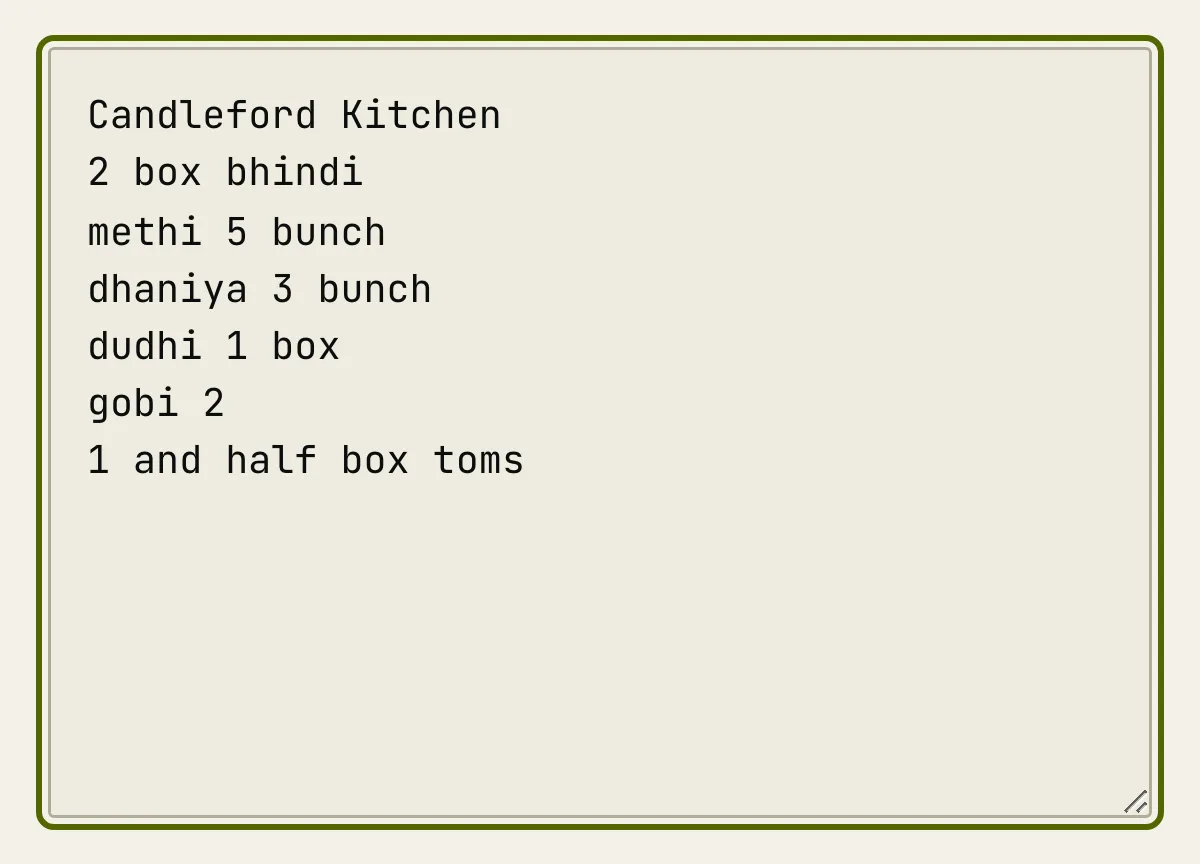
The orders come in on WhatsApp like they always did. Every message is read the moment it lands, matched to the right product and the right pack, whatever language or shorthand the kitchen wrote it in. Nobody types an order out by hand.
Before: The buy was split across suppliers by hand at half eleven at night, then read out or typed into separate messages.
The buy list splits itself by supplier and goes out by WhatsApp, the way the trade already orders. Nobody sits down at midnight to work out who gets what.
Every line priced from today's cost, on their own rules
Before: Prices were set from memory, or from whatever was charged last time, whether or not the market had moved.
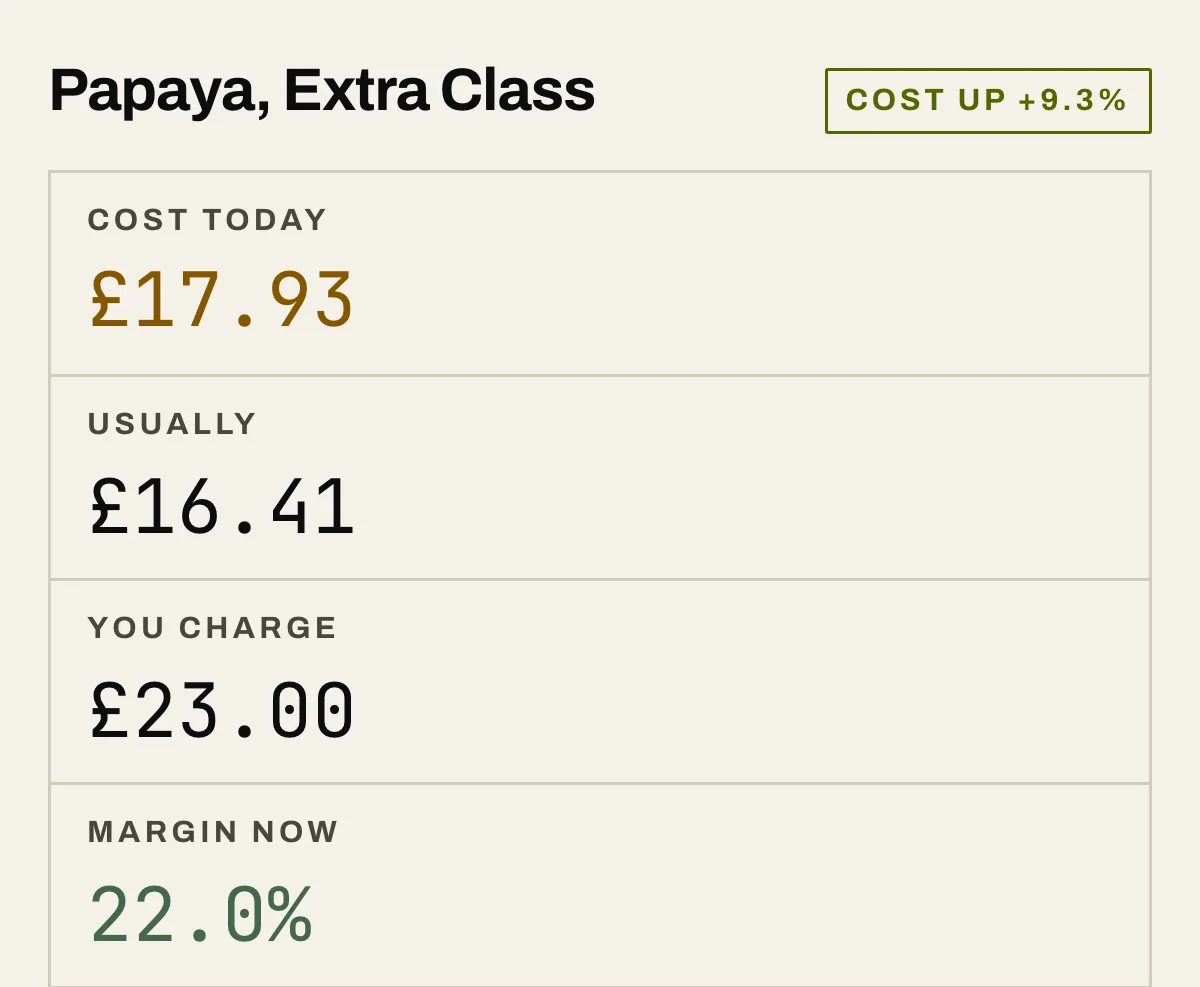
Every line is priced against what the market did that morning, on the rules already agreed. If a cost moves overnight, it shows before the invoice does, so nothing goes out underpriced.
Before: Pickers worked from a paper list, written out by hand, in whatever order it happened to be copied down.
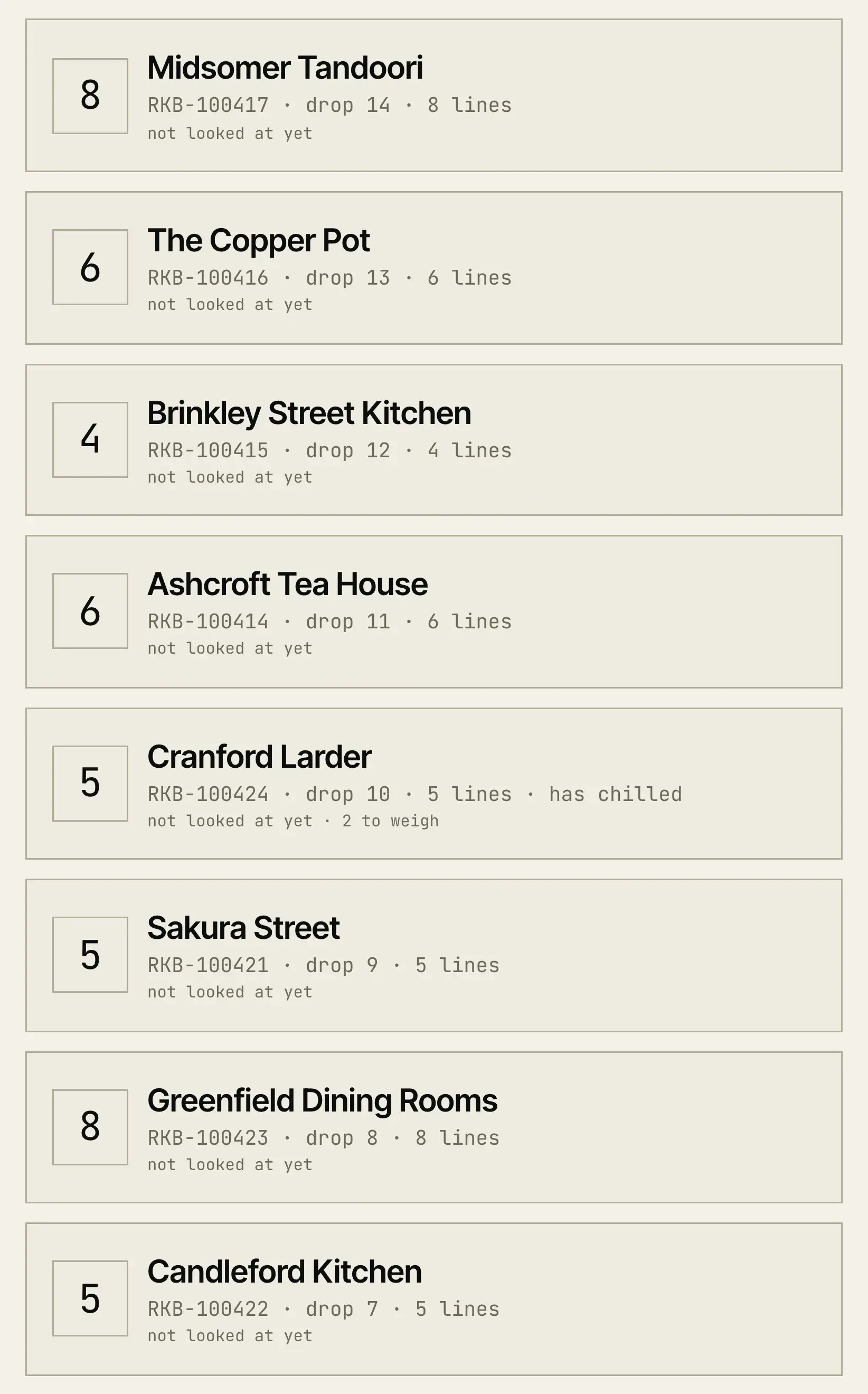
The picking sheet prints in the order the yard is actually walked, one line per product, ticked off as it is picked. Nobody carries a clipboard of crossings-out.
Routes, planned on real roads, against their delivery rules
Before: Vans were worked out at half midnight, on a whiteboard, from whoever remembered which customer wanted what time.
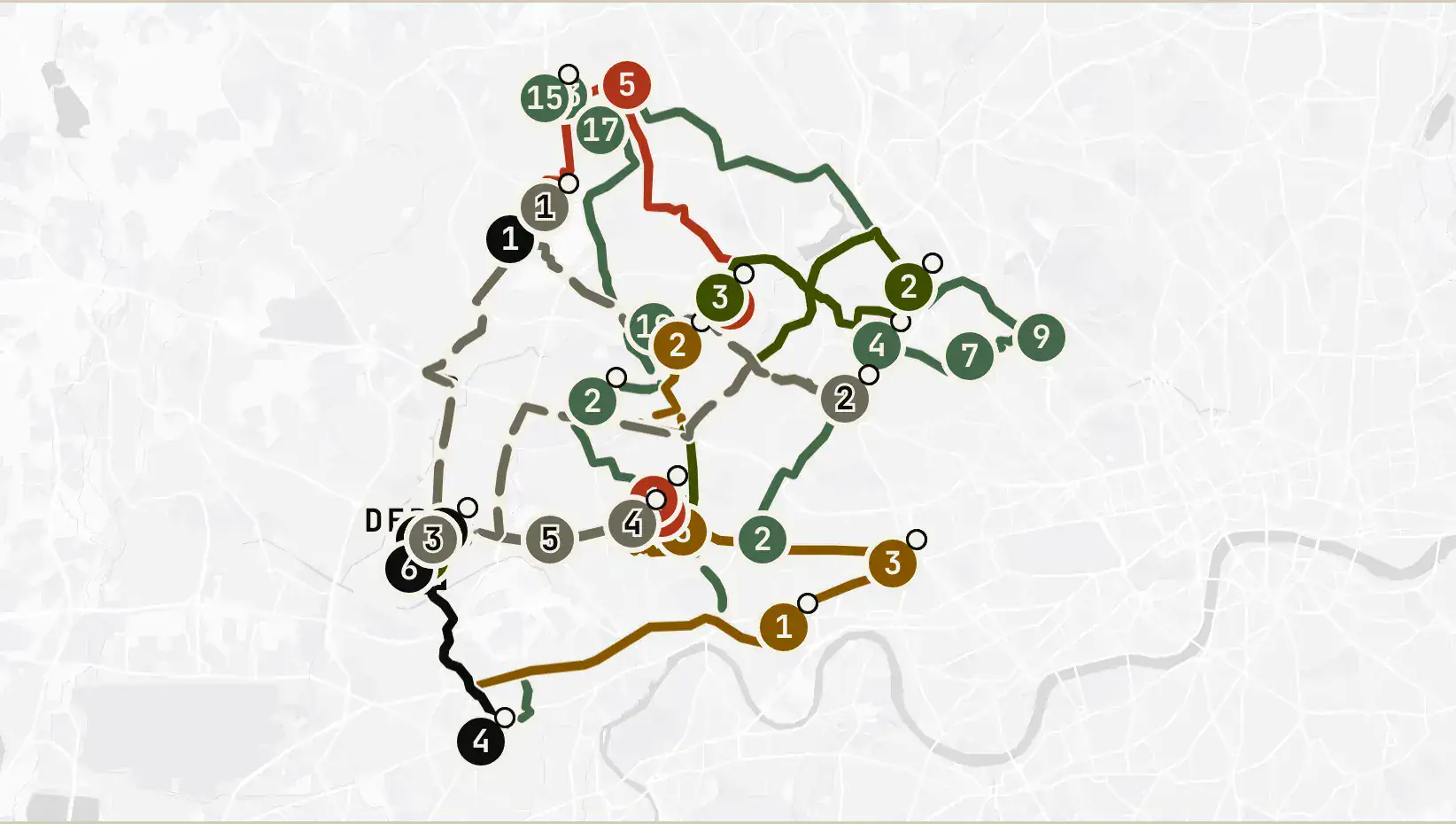
The routes are planned on real roads in seconds, against the delivery rules already on file - which day, which window, which van. Three rounds go out and no two drops cross.
Routes, planned on real roads, against their delivery rules
08
The driver's phone - navigation and proof of delivery, even when no one is in
Before: Drivers worked from a paper run sheet and a delivery note book, and a locked gate at five in the morning meant a call back to the office.
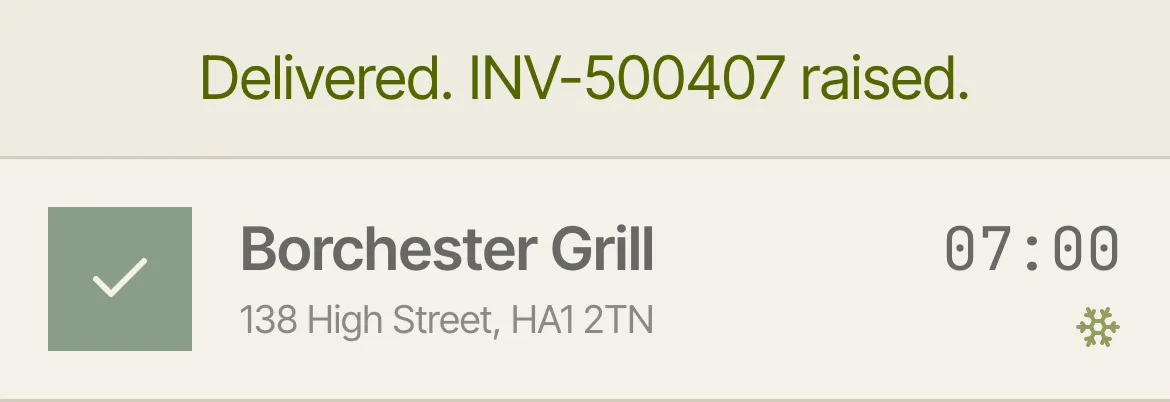
The driver's phone gives turn by turn navigation to every stop, and takes the proof there and then - a signature, a photo, a weight - even when the kitchen is locked up and nobody answers the door.
Chasing, by email and WhatsApp, with a legal partner at the end
Before: Chasing late payers meant a diary and a phone call, squeezed in between everything else.
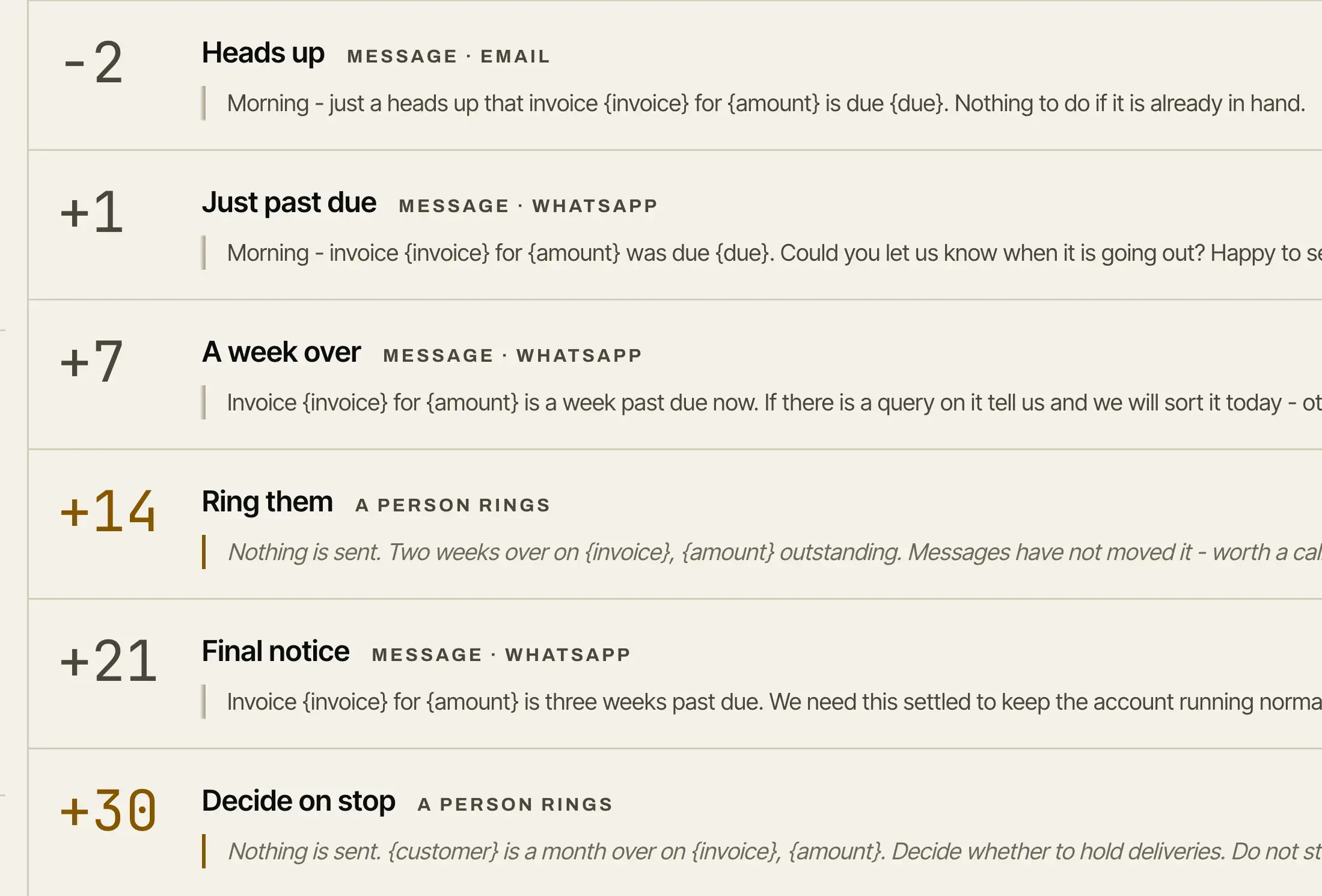
Late invoices are chased for you, by email and by WhatsApp, on a ladder that gets firmer the longer it runs - and a legal partner picks up whatever is left at the end of it.
Chasing, by email and WhatsApp, with a legal partner at the end
11
Margin, slipping customers, what to sell more of
Before: Margin lived in a spreadsheet somebody updated when there was time, and a customer could go quiet for weeks before anyone noticed.
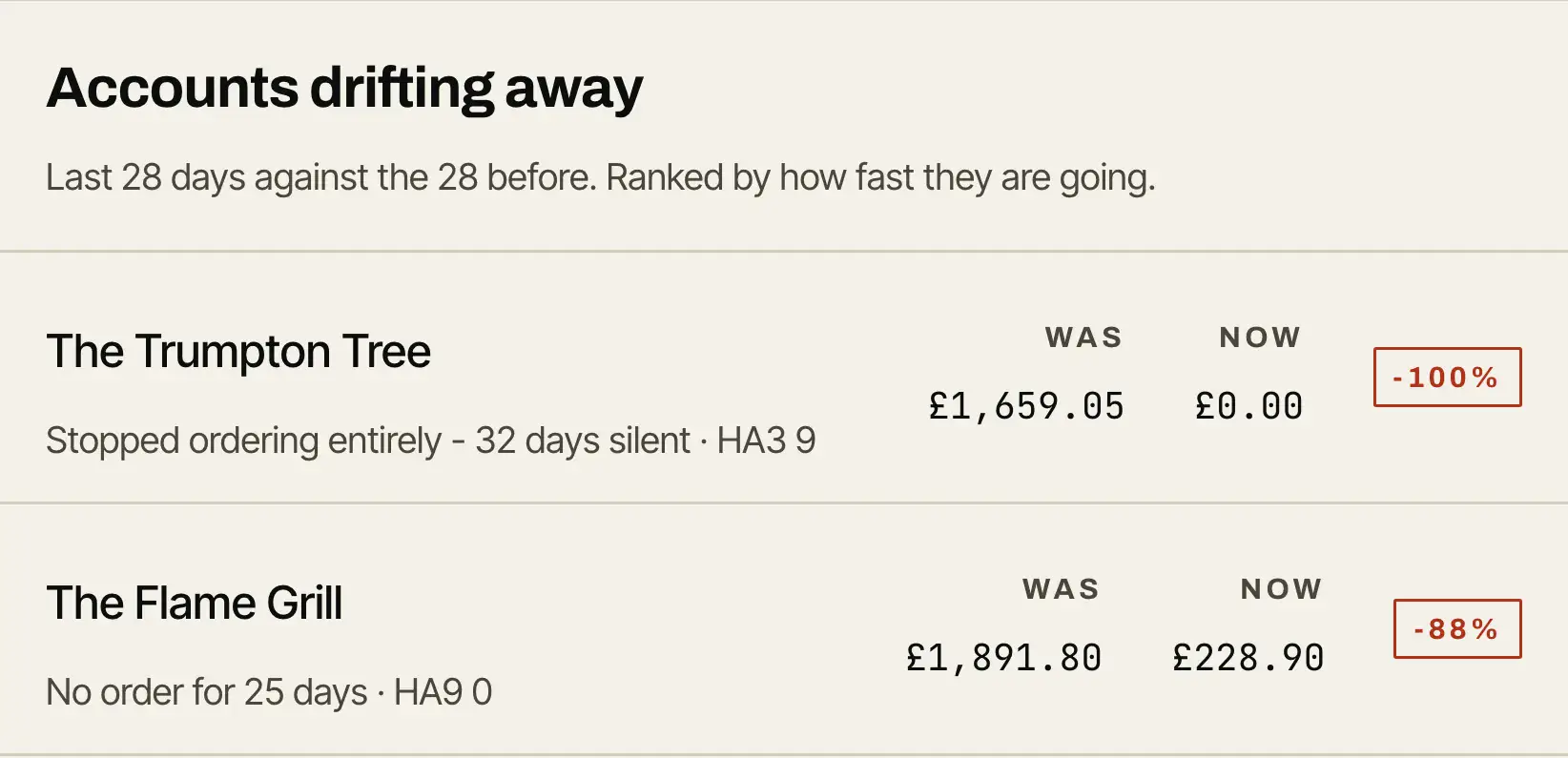
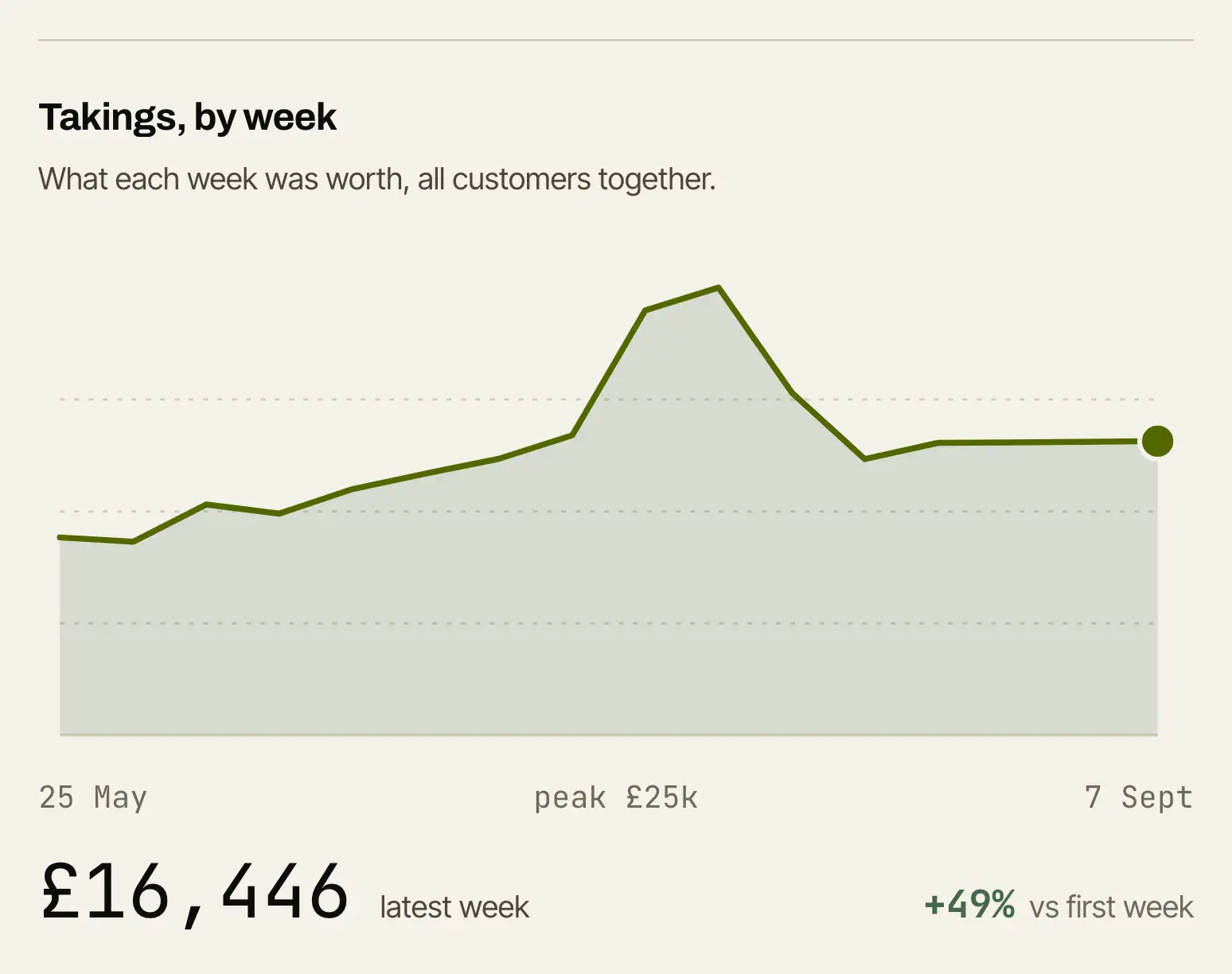
The margin on every line is there to see, customers who are slipping away are flagged before they are lost, and what is worth selling more of is right there each morning.
Before: Every decision, big or small, waited on somebody being free to make it.
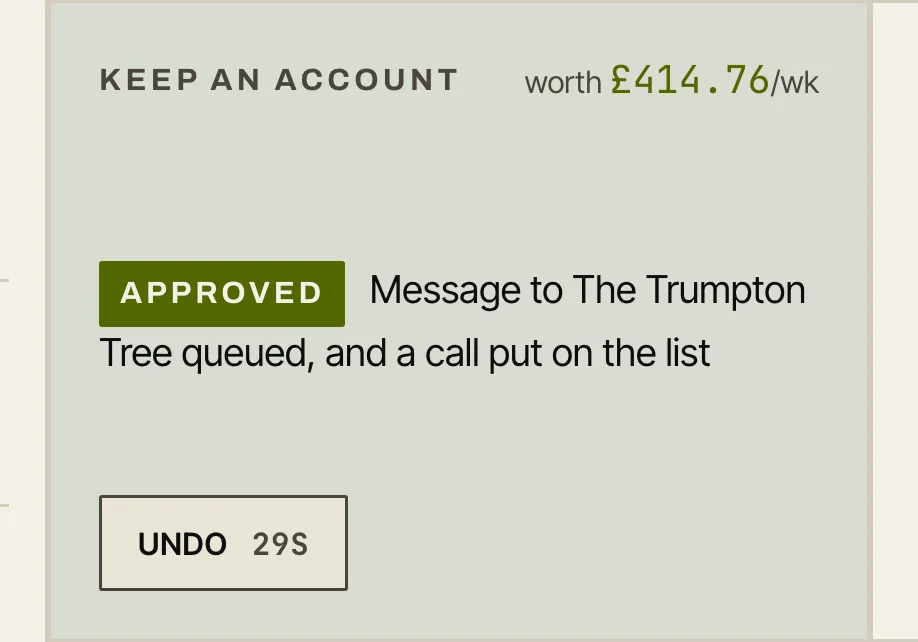
An AI agent watches the book and suggests the next move - a price to hold, a customer to call, a line to reorder - and one tap is all it takes to approve it. Nothing acts on its own.
Before: The accounts package was a separate island - everything had to be typed into it by hand, twice.
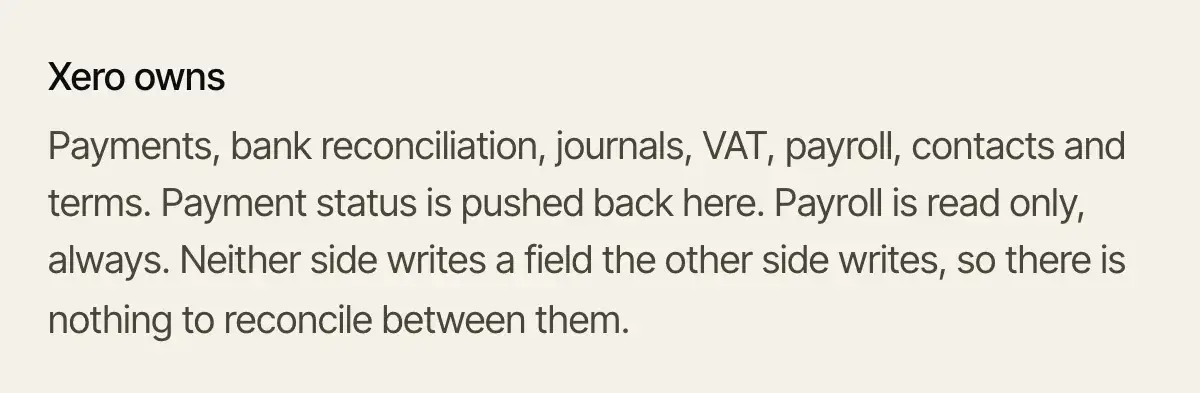
Xero is read and written back to on its own, so the books stay current without anyone typing the same invoice in twice. The accounts package stays exactly what it was - Market Run just keeps it fed.
Every build is scoped to the warehouse's own book, so the time varies. This one was built and run alongside the real business until it did the whole night on its own.
Did the customers have to change anything?
No. The restaurants and kitchens ordering from this wholesaler kept using WhatsApp exactly as they always had. There was no app, login or portal on their side, ever.
What did it cost?
There is no published figure. Every Market Run build is quoted against the warehouse's own book, not sold off a price list.
Give us one night.
Send us one evening's orders. We run the night next to you. In the morning you compare the two.